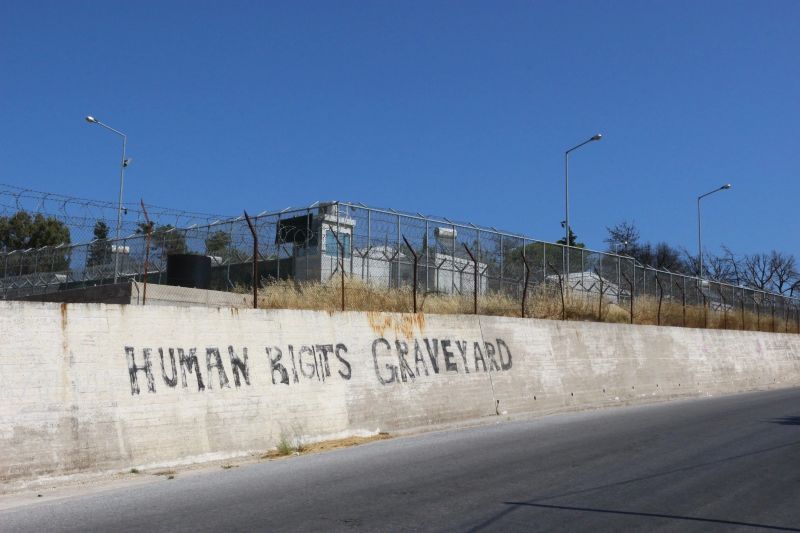
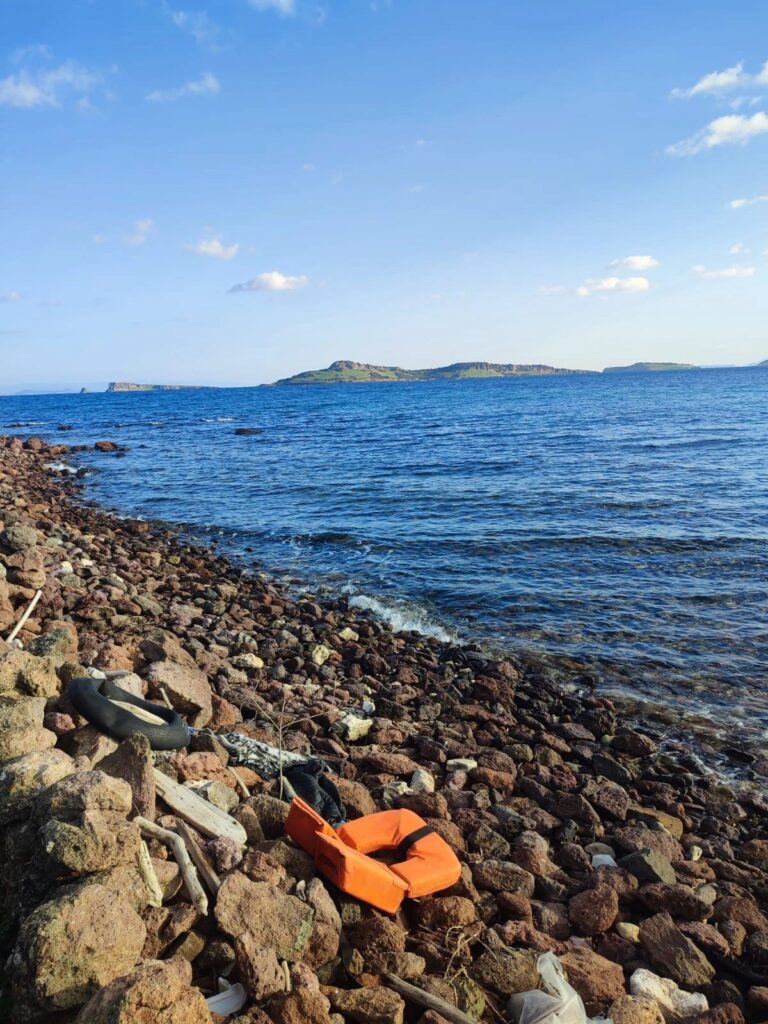
The first time I was on Lesbos, in April last year, I was constantly aware of the camp, the injustice, the problems—no matter where I was on the island.
It felt deeply unsettling and sad—an issue of global proportions, hidden away at the edge of an island. A nagging feeling: am I allowed to enjoy myself here, even outside the camp? Should I even be here, or am I engaging in some kind of disaster tourism?
Walking through the camp was, above all, a confrontation with my own powerlessness and anger.
When you stay somewhere longer, your perspective starts to shift. The feelings of powerlessness and anger remain, and at times, they are sharp and confronting. But at the same time, the camp begins to feel more like a microcosm, with its own rhythm and its different groups of people. A growing number of familiar faces. The people from Fenix, the translators, the residents of the camp—some of whom come by every day with their questions, concerns, or simply for a chat. You start to learn names, you hope for good outcomes. What once felt massive and abstract turns into the reality of people with names and faces.
The Syrians who are stuck in limbo because all procedures for Syrians have been suspended. The unaccompanied minors whose asylum process is complex. The people endlessly waiting for a decision—and after that, for travel documents—longing to leave. And that one man, shivering in only his sweater, while the icy wind still blows.
By 9 a.m., when we arrive, he is already there with his little daughter. He has received another email: more waiting. If he hears nothing in the next 15 days, he must email again. He is heartbroken.
But then, just before we leave, Aron’s phone rings. The decision is in—it’s positive! The entire family has been approved.
Now begins the wait for papers and travel documents. Without those, they cannot even leave the island. And then what? But for now, everyone is happy. The first hurdle has been cleared.
The camp—like all camps—remains a disgrace. The brutal winds of hatred are still terrifying. And I wonder, deeply, what I, what we, can do to turn the tide.
The answer, I believe, lies somewhere in the stories of these people. Giving them faces, giving them names. The only question is: how?