Nour

Nour’s Tears and the Reality of War

I was in the middle of writing a somewhat optimistic piece for LinkedIn when Nour walked in. The toughest guy in Mitilini and the camp—half Syrian, half Ukrainian, and a favorite among all the volunteers. He sat down next to me and burst into tears. He spoke about the violence now raging in Syria, where his family is, and about the kind of funerals being held in the camp to commemorate those who have died in this latest outbreak of violence. Like a little child, I comforted him—as much as one can, at least.

Mrs. Faber truly has no idea.

Nour Daher

Athens

Waiting in Uncertainty: The Harsh Reality for Syrians in Greece

“It’s cruel.” X from Syria barely holds back his tears. When I spoke to him in April last year, he had finally made it to Athens after enduring abuse in Turkey, being pushed back from Bulgaria, and making two attempts to reach Greece. He was finally in the right procedure, with a strong chance of obtaining papers. But no—procedural errors delayed the process, and now the decision-making for Syrians has been put on hold.

Every policy you read about has far-reaching consequences for real people. All Syrians currently in the procedure are now stuck in this country, including those on Lesbos. They are not allowed to leave the island. Germany is preparing to start deporting Syrians who traveled through Greece, their first country of arrival. And then what?

This is about X and that five-year-old boy traveling alone. It’s about families who have already endured so much. A single sentence—“decision-making postponed”—suspends people’s lives in limbo, with no one knowing how it will end.

I was in Athens this weekend, visiting some partners and taking a moment to admire everything this city has to offer. “How are things on Lesbos?” was a recurring question. The pastor of the Anglican church, where I briefly stopped yesterday with Cees from the embassy, immediately invited me to speak one evening. “We barely hear about it anymore.” The mainland camps are far from inhabited areas.

I sent a piece to Trouw. The response was that it was very compelling, but they already covered Greece enough.

And of course, a drawn-out issue loses to the language of war and threats. But that rhetoric fuels the silence—not just by making it less newsworthy, but also by increasing its invisibility and that of its consequences.

Every day, I realize more how much we don’t know. And how too little knowledge always leads to bad plans, cruel policies, and a lack of awareness.

Dutch legislative proposals are partly based on Greek procedures, as Greece is the testing ground. But in some ways, Greece does things better than the Netherlands. Two months after arrival, whether or not they have received papers, people are allowed to work. Not in the Netherlands. Every European country is coming up with stricter measures—Minister Faber stacks them on top of each other and ties them up with a bow. And no matter what the Council of State says, it all drowns in Trumpian rhetoric.

“I’ll come back,” I tell X. Not that it helps him in any way. But maybe his story will help people understand what seemingly simple measures do to a person. A young man whose eyes are less hopeful than ten months ago. But who keeps going, refusing to surrender to a cruel system that leaves no room for humanity.

op lesbos

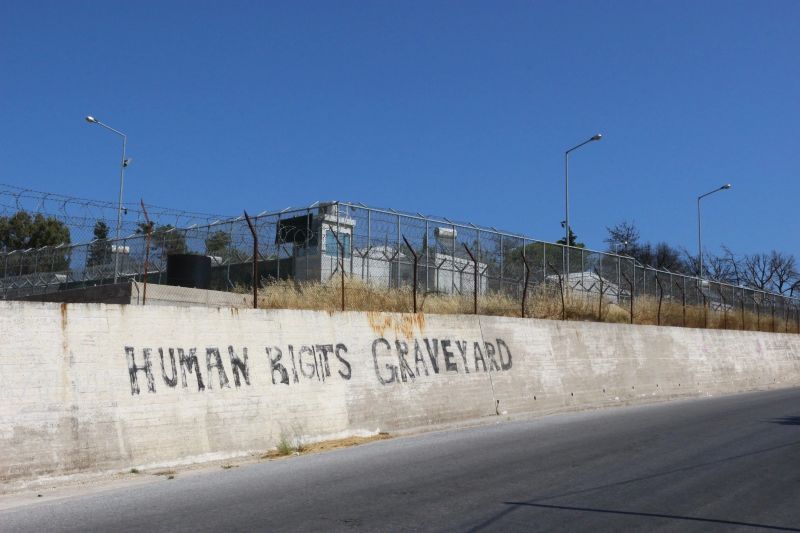
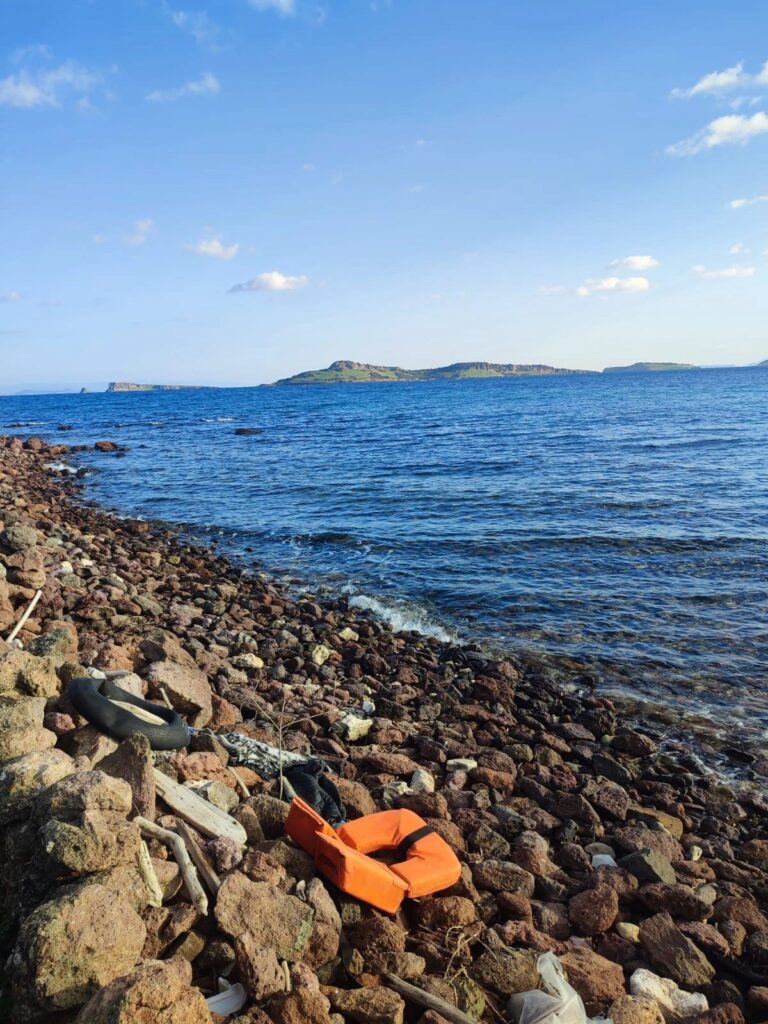
Living and Waiting in the Camp on Lesbos

The first time I was on Lesbos, in April last year, I was constantly aware of the camp, the injustice, the problems—no matter where I was on the island.

It felt deeply unsettling and sad—an issue of global proportions, hidden away at the edge of an island. A nagging feeling: am I allowed to enjoy myself here, even outside the camp? Should I even be here, or am I engaging in some kind of disaster tourism?

Walking through the camp was, above all, a confrontation with my own powerlessness and anger.

When you stay somewhere longer, your perspective starts to shift. The feelings of powerlessness and anger remain, and at times, they are sharp and confronting. But at the same time, the camp begins to feel more like a microcosm, with its own rhythm and its different groups of people. A growing number of familiar faces. The people from Fenix, the translators, the residents of the camp—some of whom come by every day with their questions, concerns, or simply for a chat. You start to learn names, you hope for good outcomes. What once felt massive and abstract turns into the reality of people with names and faces.

The Syrians who are stuck in limbo because all procedures for Syrians have been suspended. The unaccompanied minors whose asylum process is complex. The people endlessly waiting for a decision—and after that, for travel documents—longing to leave. And that one man, shivering in only his sweater, while the icy wind still blows.

By 9 a.m., when we arrive, he is already there with his little daughter. He has received another email: more waiting. If he hears nothing in the next 15 days, he must email again. He is heartbroken.

But then, just before we leave, Aron’s phone rings. The decision is in—it’s positive! The entire family has been approved.

Now begins the wait for papers and travel documents. Without those, they cannot even leave the island. And then what? But for now, everyone is happy. The first hurdle has been cleared.

The camp—like all camps—remains a disgrace. The brutal winds of hatred are still terrifying. And I wonder, deeply, what I, what we, can do to turn the tide.

The answer, I believe, lies somewhere in the stories of these people. Giving them faces, giving them names. The only question is: how?
wall lesbos
beach lesbos